
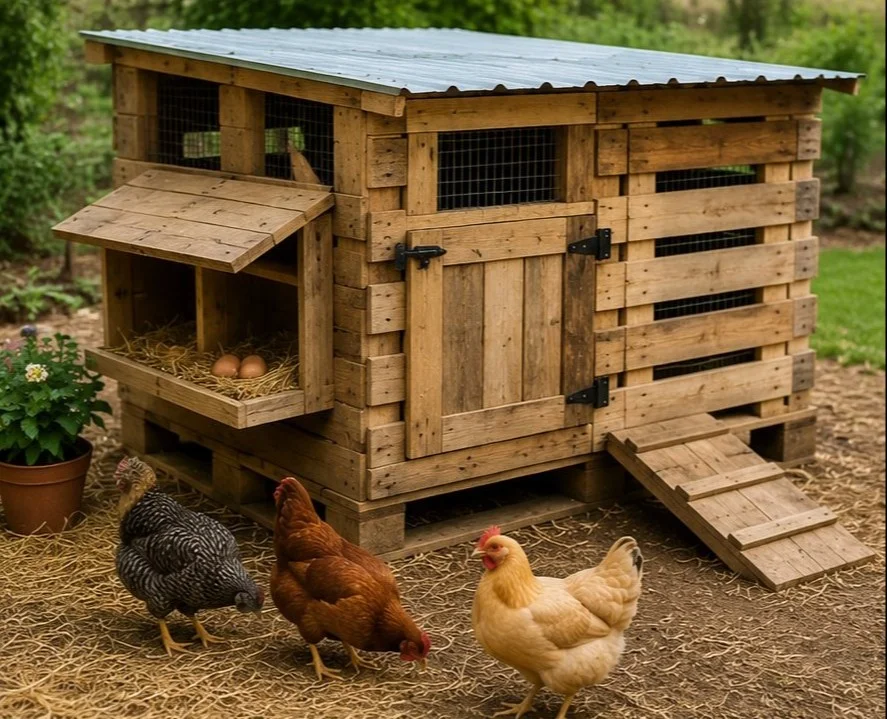
Building a pallet chicken coop is a rewarding project that not only gets you in touch with DIY skills but also provides a cozy home for your feathered friends. When I decided to expand my backyard chicken flock, I knew that creating a coop from reclaimed materials was both cost-effective and environmentally friendly. Finding pallets that were clean and in good condition became my first step, and soon I was sketching my designs to construct a sturdy enclosure that would keep my chickens safe and happy. This journey made me appreciate the ingenuity of using wood pallets, allowing me to have a functional space while being sustainable. For those interested in creating their own, understanding the ins and outs of a pallet chicken coop is essential, and I will guide you through what you need to know.
What is a Pallet Chicken Coop
A pallet chicken coop is a structure made mainly from wooden pallets that serve as primary building materials, offering an affordable option for chicken housing. These coops can be custom-built to fit available space and can provide ample shelter for chickens, protecting them from the elements and predators. Typically, a pallet chicken coop features walls and a roof made from carefully arranged pallets, allowing for good ventilation while maintaining warmth during colder months. Many designs incorporate nesting boxes and perches to enhance the comfort for the chickens. Using pallets as a base material not only cuts down on costs but also contributes to recycling efforts, making this an eco-friendly choice.
Why You’ll Love This Pallet Chicken Coop:
Creating a pallet chicken coop comes with numerous benefits, making it an enticing project for chicken enthusiasts and DIY lovers alike. Here are some key reasons why you will love this approach:
- Cost-effective: Using pallets significantly reduces material costs, making it an economical choice.
- Sustainability: Recycling materials contributes to reducing waste, aligning with environmentally conscious practices.
- Customizable: A pallet coop can be tailored to your available space and design preferences, allowing for creativity.
- Simple Assembly: Building from pallets is often straightforward, making it accessible for beginners and experienced builders alike.
- Functionality: The resulting coop is often durable and functional, providing a safe environment for your chickens.
If you need help understanding more about building materials or how to refine your project, there’s plenty of informative content available on the recipe calculator site.
Ingredients
To create your pallet chicken coop, you’ll need the following materials:
- Wooden pallets
- Outdoor wood screws
- Hinges for doors
- Roofing materials (metal sheets, shingles, or tarp)
- Optional insulation
- Optional paint/stain for aesthetics
Step-by-Step Instructions for Building a Pallet Chicken Coop
- Plan your design: Start by sketching a layout of the coop, deciding where to place doors, windows, and any additional features.
- Source and prepare pallets: Ensure the pallets are clean and in good condition. Remove any nails or protruding pieces to prevent injuries.
- Construct the base: Lay out the pallets to create the floor of the coop, securing them together with screws for stability.
- Build the walls: Attach additional pallets vertically to form the walls, leaving space for doors and windows.
- Install the roof: Securely attach roofing materials to provide shelter from the weather, ensuring it is water-tight.
- Add features: Create nesting boxes and perches within the coop to accommodate your chickens’ needs for resting and laying eggs.
- Finish the exterior: Optionally apply paint or stain for aesthetics. Make sure there are no sharp edges that could harm your chickens.
- Introduce your flock: Place your chickens in their new home, providing food and fresh water to help them settle in comfortably.
For those looking to explore options, you can check out further building guidelines in the terms of service to find more information applicable to your needs.
Pro Tips and Variations
Building a pallet chicken coop can be a fun adventure, and a few tips can enhance your project:
- Size matters: Ensure your coop is spacious enough for your chickens to move around, preventing overcrowding and potential stress.
- Ventilation is key: Make sure to provide adequate ventilation to keep your coop air circulation optimal, which is crucial for chicken health.
- Consider insulation: Depending on your climate, adding insulation can help keep your chickens comfortable in extreme temperatures.
- Customize the look: Use paint or stains that are safe for animals to enhance the appearance of your coop, making it visually appealing in your backyard.
- Regular maintenance: Keep an eye out for wear and tear; check the structural integrity of your coop and make repairs as necessary.
When you’re ready for tips on maintaining your coop’s quality, information can be found in the privacy policy section focusing on best practices.
How to Serve Your Chickens in the Coop
Serving your flock well starts with creating an inviting atmosphere in their coop. Consider offering them a range of experiences, such as allowing them to roam freely in a secure enclosure. Including elements like dust baths can keep them clean and help maintain feather health. It’s essential to provide various food options to ensure they have a balanced diet, and keeping their water clean and fresh will help keep them hydrated. Introducing some simple perches can provide areas for them to rest, while strategically placing nesting boxes will facilitate egg-laying.
How to Store Leftover Materials from Construction
Upon completing your pallet chicken coop, you may have some leftover materials. Store wooden pallets or excess materials like screws in a dry area away from moisture to prevent rot and degradation. Clearly label the stored items and check periodically for any signs of wear. If you ever need to repair or expand your coop, having these materials on hand can be very convenient. For any repairs needed over time, ensure you handle it quickly to maintain shelter quality and security for your chickens.
Nutrition Information (Optional but Recommended)
While discussing your chicken coop, it’s beneficial to consider the nutrition of your chickens. Providing quality feed that meets their dietary needs is vital for growth and egg production. Ensure they receive a mixture of grains, proteins, and fresh greens, complemented by grit for digestion. Access to clean water is equally essential for their health and well-being.
FAQs about Pallet Chicken Coops
Can I use any type of pallet?
Not all pallets are suitable for coop construction. Always choose clean, untreated pallets that don’t have harmful chemicals or pesticides.How much space do chickens need?
Ideally, each chicken needs approximately 4 square feet of space inside the coop and 10 square feet per chicken if you provide a run space.How do I prevent predators?
Secure all openings and ensure the coop is elevated off the ground. Reinforce areas with mesh or chicken wire for added protection.Can I use insulation in my coop?
Yes, using insulation can help regulate temperature inside the coop, keeping your chickens comfortable in extreme weather.
Conclusion
Building a pallet chicken coop is a fulfilling project that offers many benefits and can greatly enhance your poultry-keeping experience. It allows for creativity and sustainability while providing a safe and comfortable environment for your chickens. I encourage you to give this project a try; your chickens will appreciate the effort, and you might find yourself enjoying the process just as much. For more inspiration and tips, feel free to check out external resources such as Farm Aid’s guide, or see examples of other coops at Summers Acres. Additionally, many creative ideas can be found in the article titled 10 Stunning Low-Cost Pallet Coops.