
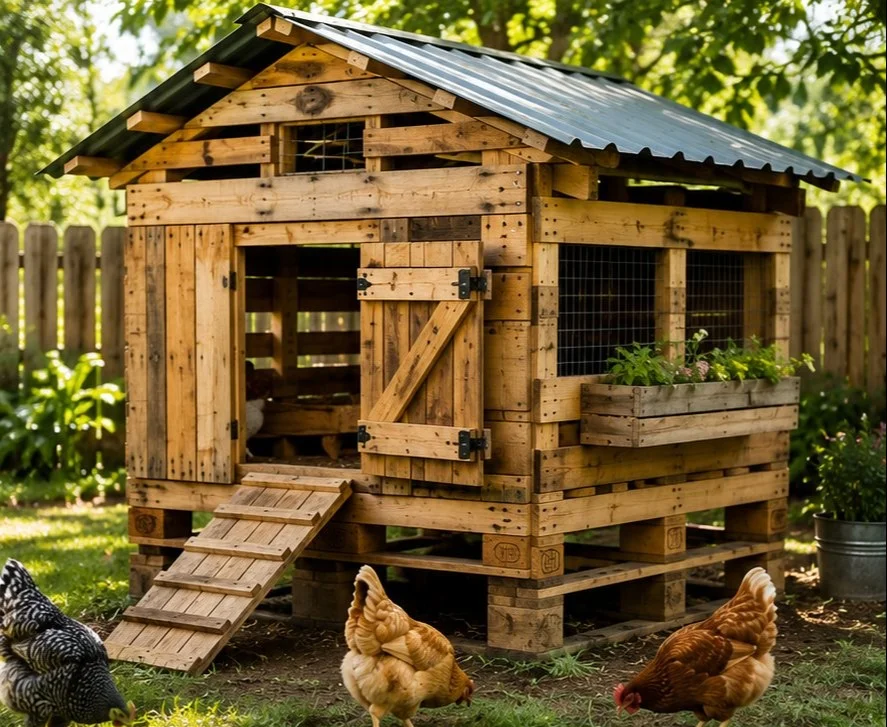
Building a pallet chicken coop can be an exciting project, especially if you love DIY tasks. I remember when I first decided to create one for my backyard flock. The idea was not just to provide shelter for my chickens but also to create a space that was resourceful and kind to the environment. Using wooden pallets made the project more sustainable and cost-effective. Plus, the process of designing and constructing it brought a great sense of fulfillment. Throughout the journey, I learned about various aspects, including acquiring the right materials, useful tips, and design variations. If you are considering making a pallet chicken coop, you’re in for a rewarding experience. You may also find Privacy Policy useful.
What is a Pallet Chicken Coop
A pallet chicken coop is a structure made primarily from wooden pallets that provides a safe and comfortable home for chickens. This type of coop is typically built using minimal tools and is favored for its affordability, as pallets can often be sourced for free or at a low cost. The coop can be designed to various sizes and functionalities to suit the needs of both the chickens and the owner. By choosing to build your coop from pallets, you not only recycle materials but also create a unique and personalized environment for your flock.
A pallet chicken coop usually includes components like nesting boxes for laying eggs, perches for roosting, and adequate space for the chickens to move around comfortably. Some may choose to add insulation, paint, or decorative features to enhance its appearance. Overall, creating a pallet chicken coop is a sustainable approach that provides both practicality and creativity in shaping your chicken-raising experience.
Why You’ll Love This Pallet Chicken Coop:
There are several reasons why building a pallet chicken coop can be an excellent idea:
- Quick and simple to prepare: Many find that using pallets simplifies the building process, allowing for quicker assembly than traditional materials.
- Family-friendly activity: Involving family members in the construction makes for a great bonding experience and teaches valuable skills.
- Cost-efficient solution: With many pallets available at little to no cost, this project is budget-friendly.
- Customizable features: You can tailor the coop to your specific needs with features like ventilation, accessibility, and layout adjustments.
- Eco-friendly project: Repurposing pallets for coop construction is a sustainable choice that reduces waste.
With these benefits, it’s no wonder that many backyard chicken enthusiasts are turning to pallet designs for their coops.
Ingredients
- Wooden pallets (enough to create the desired size of the coop)
- Outdoor wood screws
- Hinges for doors
- Roofing materials (such as metal sheets, shingles, or tarp for waterproofing)
- Optional insulation and paint/stain for aesthetics
Step-by-Step Instructions to Build a Pallet Chicken Coop
Plan Your Design: Sketch out your coop’s layout, including dimensions, door placements, and features. This helps to visualize the project and ensure that all components fit together seamlessly.
Source and Prepare Pallets: Look for high-quality, untreated pallets at local businesses or warehouses. Disassemble them as needed, and sand the edges to eliminate any sharp points that may harm the chickens.
Construct the Base: Start by laying out a solid base using pallets. Secure them together using outdoor wood screws to form a sturdy foundation.
Build the Walls: Attach the pallets vertically to create the walls of the coop. Be sure to leave space for a door and windows to allow for ventilation.
Install the Roof: Add roofing materials to cover the top. Metal sheets or shingles work well to keep the coop waterproof and protect the chickens from the elements.
Add Features: Include nesting boxes and perches inside the coop, making sure they are positioned comfortably for the chickens to access.
Finish Up: Optionally, paint or stain the coop for aesthetics. Inspect the build to ensure there are no sharp edges or exposed nails.
Introduce Your Flock: Once everything is completed and safe, place your chickens inside the coop with food and water, allowing them to acclimate to their new home.
Throughout this process, you’ll appreciate the importance of careful planning and preparation. If you need tips or software for managing your chicken recipes and feeding schedules, check out the recipe calculator.
Pro Tips and Variations:
Creating the perfect pallet chicken coop can benefit from a few additional tips:
- Sturdy Construction: Ensure all pallets are in good condition, as weak or damaged pallets can lead to structural issues.
- Consider Climate: If you live in a colder or overly wet area, consider adding insulation to the walls and choosing waterproof roofing materials to protect your chickens.
- Use Non-toxic Paint/Stains: If you choose to decorate your coop, ensure that any paint or stains used are non-toxic and safe for animals.
- Make it Accessible: Design the coop with easy accessibility for both the chickens and for you. Having a large enough door to enter comfortably can make daily care easier.
- Incorporate a Run: If possible, add an outdoor run so your chickens can enjoy the outdoors safely without roam too far.
These variations can help you customize your coop to better fit your needs while ensuring your chickens are healthy and comfortable.
How to Serve Your Chickens Healthy Meals in the Coop
To create a nurturing environment for your chickens, consider incorporating a system for feeding them. You can serve grains, seeds, and greens directly in the coop. Supplement their diet with kitchen scraps and organic greens to ensure they receive a balanced diet.
- Feeding Stations: Set up feeding stations that are easily accessible, making it simple to refill their food bins as needed.
- Water Supply: Regularly check and clean the water supply to ensure your chickens always have access to fresh water. Automatic watering systems can simplify this task.
Thinking of implementing more beneficial features for your chicken coop? The sustainability and user-friendliness of the process is covered in the terms of service of related resources.
How to Store Your Pallet Chicken Coop for Off-Season
When the cold months arrive or if you’re moving to a new location, properly storing your chicken coop is vital. Start by ensuring it is clean and free of debris or leftover food that could attract pests.
- Disassemble if Necessary: If space is limited or you want to store it for the off-season, consider disassembling the coop carefully. Label the parts to make reassembly easier when it’s time to use it again.
- Use Protective Covers: Consider using tarps or similar materials to cover the coop and protect it from the elements during storage.
When properly maintained, a pallet chicken coop can serve you for several years, saving you time and effort in future seasons.
Nutrition Information (Optional but Recommended)
While nutritional needs for chickens are often not discussed, it’s vital to feed them well-balanced diets that contribute to their health and egg production. A varied diet including grains, layer feed, vitamins, and minerals will keep your chickens healthy and productive.
FAQs About Pallet Chicken Coops
How long does it take to build a pallet chicken coop?
Building time can vary but generally, it can take anywhere from a few hours to a couple of days, depending on your experience and whether you are working alone or with a team.Where can I find pallets?
You can find pallets at local warehouses, grocery stores, or businesses that receive shipments. Many will give them away for free, but ensure they are untreated.Are pallet chicken coops safe?
Yes, as long as they are constructed well, pallet chicken coops can be safe and secure for chickens. Ensure proper ventilation, no sharp edges, and adequate protection from predators.Can I customize my pallet chicken coop?
Absolutely! You can customize your coop with additional features like roofing styles, decorative elements, and interior modifications to suit the needs of your chickens.
Conclusion
Building a pallet chicken coop not only provides a comfortable home for your chickens but also offers a rewarding project that encourages sustainability and creativity. The benefits are numerous, from cost-effectiveness to customization options that can fit any backyard.
If you’re ready to take the plunge and enhance your chicken-raising experience, consider looking at various resources for more ideas and designs, like Farm Aid or the Summers Acres page for detailed guides.
Try this project and share your experience; there are endless possibilities in creating the ideal habitat for your backyard flock!