
Building a chicken coop can be an exciting and rewarding project for anyone interested in raising chickens. I still remember the first time I decided to embark on this journey. It began with a desire for fresh eggs and an understanding that keeping chickens was not only cost-effective but also a sustainable choice for my family’s diet. As I delved into the plans and materials required, I quickly realized how essential proper planning and design are to creating a safe and comfortable home for my feathered friends. You may also find Contact Us useful.
Understanding the basic requirements of building a chicken coop will help ensure that your chickens are protected from the elements and potential predators. Taking the time to plan wisely will pay off in the long run.
What is Building a Chicken Coop
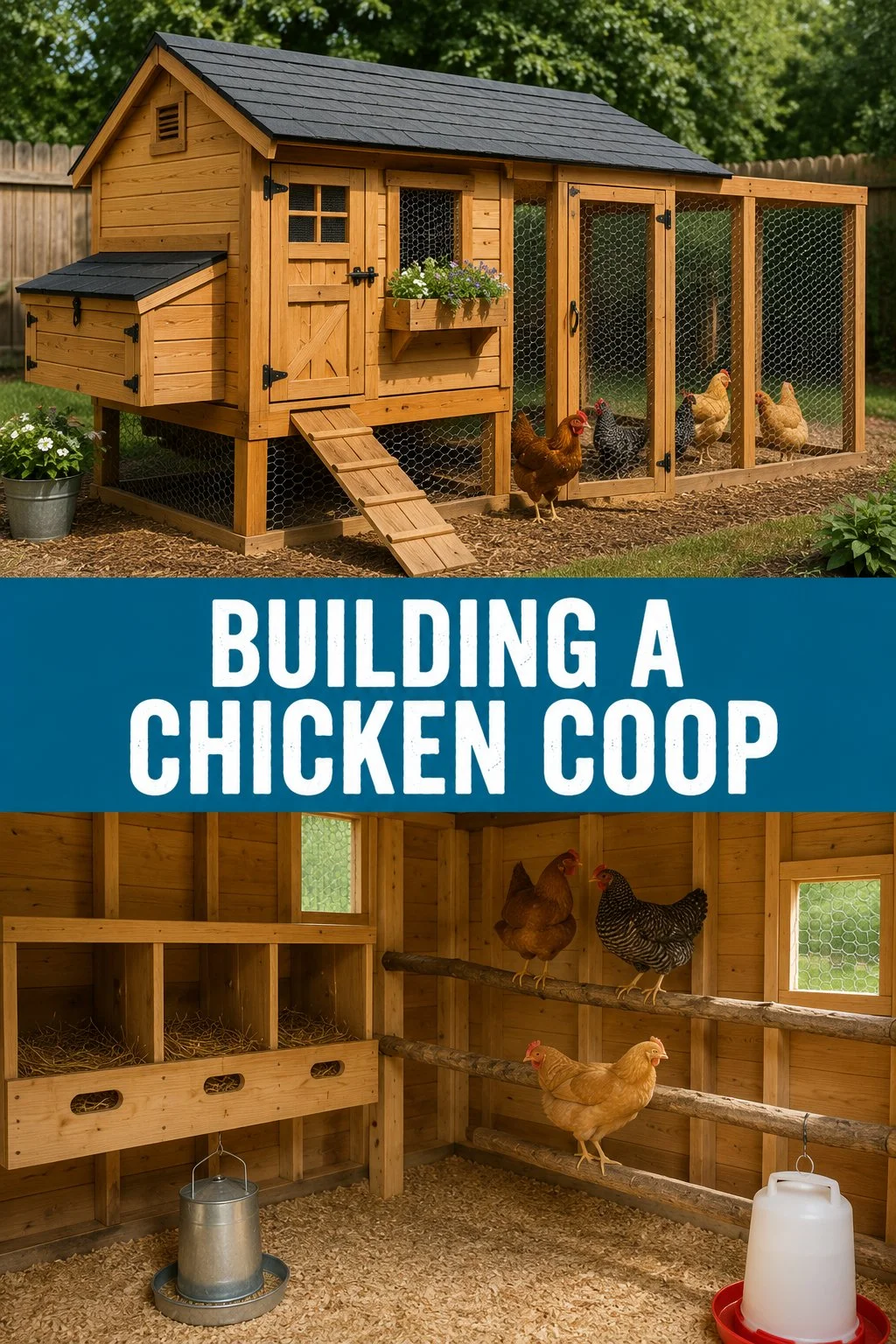
A chicken coop is a shelter designed specifically for housing chickens. It provides a safe, comfortable, and secure environment where chickens can sleep, lay eggs, and stay protected from predators. A well-designed coop includes nesting boxes, roosting bars, proper ventilation, and easy access for cleaning and gathering eggs.
When considering building a chicken coop, several factors need to be taken into account. These include the size and layout, the materials to be used, and the coop’s location. Additionally, ensuring that the coop has good ventilation is crucial to maintain a healthy living environment for your chickens. The right design makes life easier for both you and your birds. You may also find Privacy Policy useful.
Why You’ll Love This Building a Chicken Coop:
There are several reasons to take on the project of building a chicken coop:
- Quick and simple to prepare
- Family-friendly activity that can engage everyone
- A sustainable way to produce fresh eggs
- A chance to embrace DIY and craftsmanship
- Provides an opportunity to educate children about caring for animals
These benefits reflect the joy and satisfaction you can gain from successfully raising chickens. With each egg collected, you’ll feel a sense of accomplishment and connection to your food.
Ingredients
To start constructing your chicken coop, gather the following materials:
- Pressure-treated lumber
- Untreated wood
- Galvanized nails or screws
- Chicken wire
- Roofing materials (shingles or metal sheets)
- Wooden boxes or plastic containers (for nesting boxes)
- Wooden dowels or branches (for roosting bars)
These materials are essential for the structural integrity and safety of your coop. Each component plays a critical role in ensuring that your chickens have a secure and comfortable living space.
Step-by-Step Instructions for Building a Chicken Coop
1. **Select a well-drained area** in your yard for the coop. Choose a spot that receives some sunlight but also provides shade.
Use free chicken coop plans available online to sketch out your desired design. These plans can help streamline the process.
Gather all necessary materials listed in your plans, ensuring you have everything before starting construction.
Construct the base with pressure-treated lumber, which provides stability and protection from moisture.
Build the walls using 2” x 4” wood, leaving openings for windows and doors. This will help with ventilation.
Add a waterproof roof that slopes for effective drainage. Good roofing will help keep the coop dry during inclement weather.
Attach chicken wire around openings for ventilation, ensuring it is sturdy enough to keep predators away while allowing fresh air in.
Install nesting boxes and roosts at an accessible height inside the coop, making it easy for the chickens to lay eggs and roost comfortably.
Optionally, paint the coop for protection against the elements or simply for aesthetics.
Build an attached run using similar materials for safe roaming space when you let the chickens out.
Completion of these steps will lead to a well-structured and functional chicken coop.
Pro Tips and Variations:
When building your chicken coop, consider these helpful tips and variations:
Use recycled materials where possible to save costs and promote sustainability. Old pallets can be transformed into walls or fencing.
Consider adding windows or vents that can be opened or closed. This flexibility allows you to control airflow as needed.
Ensure easy access for cleaning by designing a coop that allows you to quickly collect eggs and clean out bedding.
Customize nesting boxes to fit your specific chicken breeds, as larger breeds may require more space.
These variations and considerations can enhance your project and make your coop more functional.
How to Serve Building a Chicken Coop
Once you have built the coop, the next step is to ensure your chickens are properly introduced to their new home. Take your time integrating them into their environment, allowing them to explore at their own pace. Be sure to provide additional enrichment, such as perches, dust baths, and outdoor runs, which will keep them happy and content.
You can also consider planting herbs or plants around the coop that can benefit your chickens, such as rosemary or mint, which deter pests.
How to Store Building a Chicken Coop
When it comes to storage, ensure all your tools and materials used during construction are kept in a dry area, away from moisture. For ongoing maintenance, keep a supply of wood shavings or straw for bedding and a clean feed storage container to protect from rodents and moisture.
If you’re working with treated wood or paint, store these materials safely out of the reach of children or animals. Regular inspections of the coop for wear and tear will also help maintain its condition.
Nutrition Information (Optional but Recommended)
While not directly related to building a chicken coop, it’s important to provide nutrition information for your chickens as you start caring for them. Chickens thrive on a balanced diet including:
- Grains: Corn and wheat
- Protein sources: Mealworms or commercially prepared feeds
- Vegetables: Greens like kale or carrots
These nutritional elements will promote healthy growth and egg production.
FAQs Building a Chicken Coop
1. **How much space do chickens need in a coop?**
Each chicken requires about 2 to 4 square feet of indoor space in the coop, while outdoor runs need about 8 to 10 square feet per chicken.
What is the best material for a chicken coop?
Pressure-treated lumber is highly recommended for the structural elements, while sturdy wire mesh keeps predators out.How often do I need to clean the coop?
Regular cleaning is essential. Aim to clean out the bedding and waste weekly to maintain a healthy environment.What is the ideal temperature for chickens?
Chickens are generally comfortable in temperatures ranging from 32°F to 85°F. Insulation and ventilation are key for extreme temperatures.
Conclusion
Building a chicken coop is a rewarding endeavor that offers long-term benefits. Not only will you have fresh eggs at your fingertips, but you’ll enjoy the endless joy of watching your chickens thrive in a comfortable environment. Take the leap and try your hand at building a coop that can be not only functional but also a beautiful addition to your backyard.
For additional resources on chicken coop designs, check out these helpful guides: How to Build a Chicken Coop: 11 Steps (with Pictures), Simple DIY Chicken Coop, and How to Build a Chicken Coop – Farmer’s Almanac. Your journey into chicken keeping can be both fulfilling and educational—enjoy every feather-filled moment!