
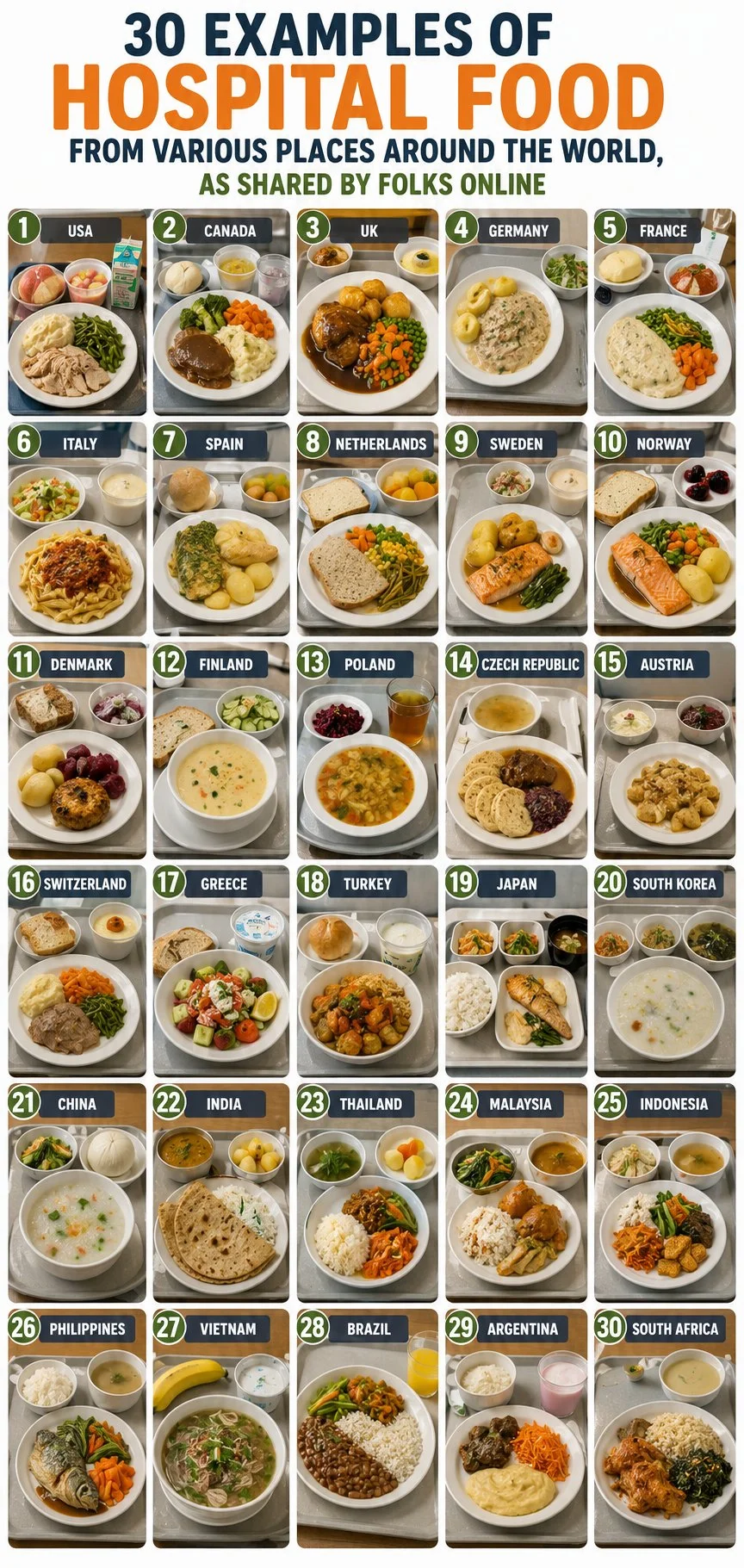
After spending a few days in the hospital, I found myself reflecting not only on my health but also on the stark reality of hospital food. It can evoke a range of feelings, from nostalgia for the comfort of home-cooked meals to admiration for the creativity seen in hospital menus around the globe. In my search, I stumbled upon intriguing stories and flavors shared by folks online, illustrating the diversity of these meals. This exploration led me to discover 30 examples of hospital food from various places around the world that reflect local cultures, preferences, and nutritional needs, making me appreciate the importance of what we eat even while receiving care.
What is Hospital Food?
Hospital food is the food provided by medical facilities to their patients. The purpose of these meals is to nourish patients, often considering specific dietary restrictions necessary for recovery. While many people have misconceptions about hospital meals being bland or tasteless, the reality is that hospital kitchens often strive to provide tasty, satisfying meals that cater to the diverse backgrounds and diets of patients. Chefs in hospitals face challenges, including limited resources and the need to accommodate allergies, preferences, and medical conditions, all while maintaining nutritional standards.
Some hospitals even surpass expectations, integrating local cuisine into daily offerings. For instance, in Japan, patients might enjoy a well-balanced meal featuring rice, grilled fish, and fresh vegetables, while those in Italy may look forward to pasta dishes that are as delicious as they are healthy. These examples illustrate how hospital food can represent the local culture while fulfilling the essential role of supporting health and recovery.
Why You’ll Love This Hospital Food:
- Cultural Variety: Experience meals inspired by diverse culinary traditions.
- Nutritional Focus: Hospital meals are designed with patient health in mind.
- Creativity in Cooking: Hospital chefs often use ingenuity to transform basic ingredients into appealing dishes.
By highlighting these aspects, we can appreciate how even in a hospital setting, food plays an integral role in recovery and comfort.
Ingredients
While the specific ingredients in hospital food can vary widely across different hospitals and regions, here’s a general idea of what you might find:
- Protein sources: Chicken breast, turkey, lentils, fish
- Grains and starches: Brown rice, whole grain bread, pasta
- Vegetables: Broccoli, spinach, carrots, peas
- Fruits: Apples, bananas, oranges, berries
- Dairy options: Yogurt, low-fat cheeses, lactose-free options
- Flavor enhancers: Herbs, spices, olive oil, vinegar
These ingredients form the foundation of many meals, providing a balance of flavors and nutrients to support recovery.
Step-by-Step Instructions
Meal Planning: Each hospital will often plan meals to provide balanced nutrition. They might work with dieticians to ensure meals meet individual nutritional needs, including calories, vitamins, and minerals.
Preparation: Ingredients are usually sourced fresh or frozen, with a focus on seasonal items where possible. Meals are prepared in centralized kitchens equipped to handle dietary restrictions.
Cooking: Meals can be baked, steamed, or simmered, emphasizing healthier cooking methods. For example, a roast chicken might be seasoned with lemon and herbs before being baked to perfection rather than fried.
Serving and Presentation: Once meals are ready, hospital staff serve them directly to patients, often with care for visual appeal and portion control.
Feedback Loop: Many hospitals solicit feedback on meals to improve offerings continually. Some even have tasting panels where patients and staff can evaluate meals for flavor and satisfaction.
Pro Tips and Variations
Local Ingredients: If you want to recreate some hospital-style meals at home, consider using local seasonal ingredients to add freshness and enhance flavors.
Personalize Your Meal: If a particular dish doesn’t suit your taste, feel free to add your favorite herbs and spices to boost flavor, just as hospital chefs might do when trying to please different palates.
Make it Balanced: Aim for a good mix of protein, carbs, and healthy fats, similar to what you would find in hospital meals to promote recovery and health.
Health Alternatives: Choose whole grains and lean proteins. For example, if trying to recreate a pasta dish, opt for whole grain pasta with vegetables and a lean meat sauce.
How to Serve Hospital Food
Presentation Matters: Beautifully plating food can enhance the eating experience. Using bright, fresh herbs or sauces can elevate the dish visually.
Pairing Ideas: Serve with a fresh side salad or a portion of fruit to promote a well-rounded meal. In many hospitals, sides are chosen specifically to complement main dishes nutritionally and aesthetically.
Stay Hydrated: Offering a variety of drink options, such as fresh juice, herbal teas, or flavored water, can also enhance meals, echoing what’s often available in hospitals.
How to Store Hospital Food
Storing hospital food for leftovers needs care to maintain flavor and freshness.
Refrigeration: Leftovers should be stored in airtight containers in the fridge and generally consumed within three to four days.
Freezing: For longer storage, many soups, sauces, and cooked vegetables can be frozen. When reheating, it is best to use a microwave or stovetop, ensuring food is heated thoroughly to preserve quality.
Reheating: When reheating, add a splash of broth or water to moisture to prevent drying out, just as chefs might do when reheating dishes in a hospital kitchen.
FAQs
1. Is hospital food always bland?
While some might perceive it as bland, many hospitals now focus on flavor and presentation, taking inspiration from local cuisines.
2. Can patients choose their meals?
Many hospitals allow patients to select from a menu, taking into account dietary restrictions and personal preferences.
3. Are meals tailored to dietary needs?
Yes, meals are often tailored to meet specific dietary needs, including heart-healthy options, low-sodium diets, and vegetarian or vegan meals.
4. How do hospitals ensure meal safety?
Hospitals maintain strict food safety standards, including regular inspections, proper food storage methods, and safe cooking practices.
Conclusion
The array of hospital food from around the world showcases much more than mere sustenance; it reflects cultural diversity, culinary creativity, and compassion for patients. With a careful focus on nutrition and flavors, hospital kitchens strive to make every meal a source of comfort and healing. I encourage you to explore these offerings, whether directly in a hospital or through recreating them in your own kitchen. Try this collection of culinary experiences and share your journey with others—it could lead to a renewed appreciation for the art of hospital food.