
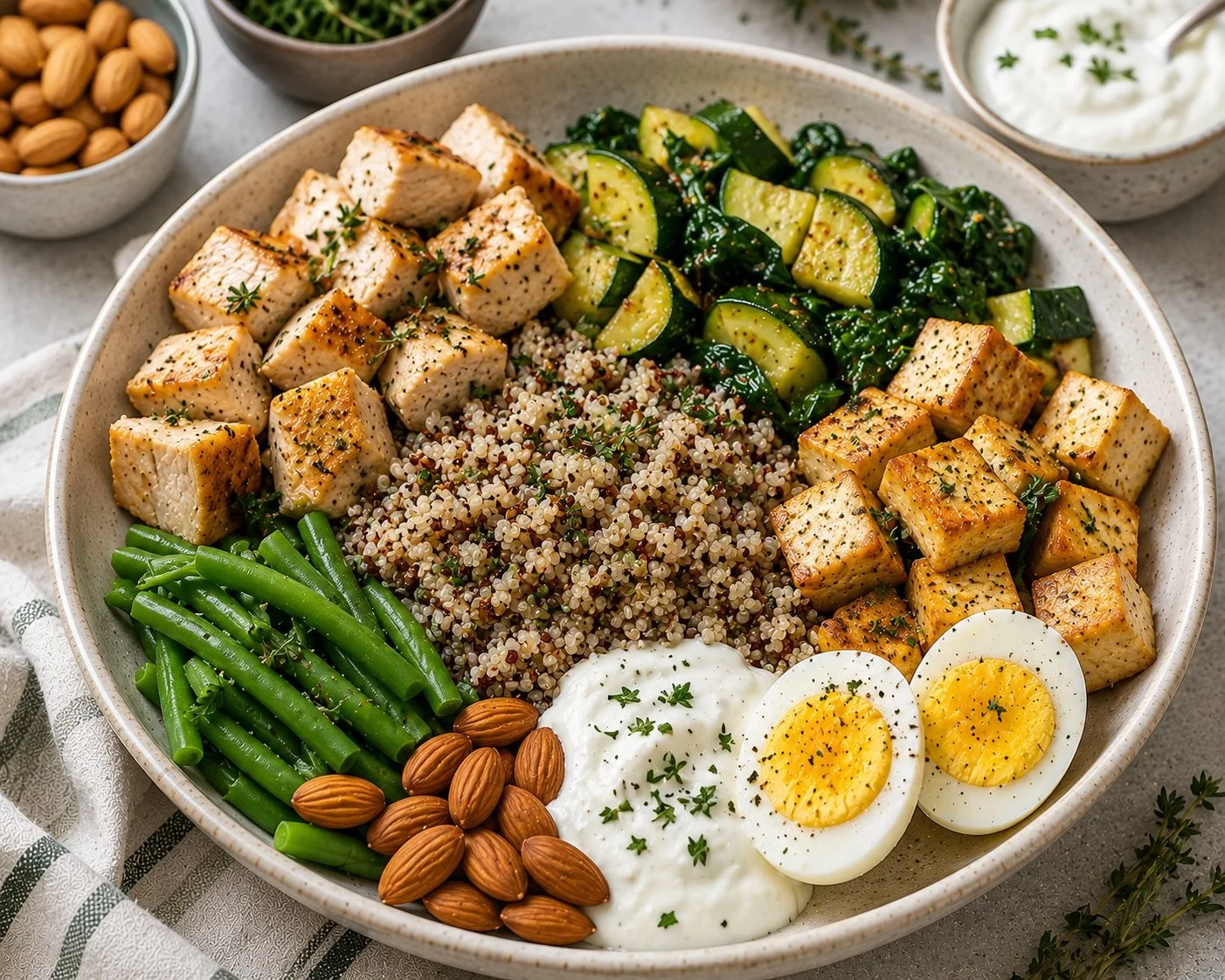
I fondly recall the first time I experimented with Low FODMAP High Protein Recipes, driven by the need to manage my dietary restrictions while still enjoying delicious meals. I had heard of the Low FODMAP diet as a way to alleviate digestive discomfort, and I was eager to explore how it could be crafted into protein-rich dishes that would be both filling and satisfying. The joy of creating meals that combine wholesome ingredients while adhering to dietary needs was both fulfilling and enlightening, not to mention the vibrant flavors that emerged. You may also find Terms Of Service useful.
To get started, it’s crucial to understand what Low FODMAP really means. The diet stands for "Fermentable Oligosaccharides, Disaccharides, Monosaccharides, and Polyols" which disrupt some people’s digestive systems. By focusing on meals that limit these types of carbohydrates, you can still enjoy an abundance of healthy, nutritionally dense foods. This focus leads to meals not only full of flavor but also rich in protein, which is essential for maintaining muscle health and overall well-being. If you want to create your own Low FODMAP meals, consider using a helpful tool like this recipe calculator.
What are Low FODMAP High Protein Recipes?
Low FODMAP High Protein Recipes are meals designed specifically to be low in fermentable carbohydrates while being high in protein content. These recipes generally utilize lean meats, legumes, grains, and dairy substitutes that fall within the Low FODMAP guidelines. For instance, chicken breast, quinoa, and tofu serve as excellent sources of protein that also help manage digestive wellness. By carefully selecting these ingredients, it’s possible to create a wide variety of satisfying and flavorful dishes. Each meal can be enhanced with herbs and spices, providing a culinary adventure that respects dietary requirements. You may also find Privacy Policy useful.
Why You’ll Love These Low FODMAP High Protein Recipes:
There are several reasons to embrace these recipes in your meal planning:
- Quick and simple to prepare
- Family-friendly meals that can cater to various palates
- Great for beginners, making healthy eating accessible
- A nourishing balance—a satisfying way to meet protein needs
- Versatile options for lunch, dinner, or meals on the go
The ability to nourish your body while adhering to dietary guidelines can have a profound positive impact on your health. By exploring Low FODMAP options, you can discover new favorite meals that fit your lifestyle and preferences.
Ingredients
For making delicious Low FODMAP High Protein meals, here’s a list of ingredients commonly used:
- Chicken breast
- Quinoa
- Spinach
- Zucchini
- Eggs
- Tofu
- Lactose-free yogurt
- Green beans
- Almonds
- Olive oil
- Herbs (like thyme or rosemary)
These ingredients not only deliver high protein but also pack in vitamins, minerals, and healthy fats, ensuring a balanced and nutritious meal.
Step-by-Step Instructions for Low FODMAP High Protein Recipes
- Cook quinoa according to package instructions, usually boiling in water until tender.
- In a pan, heat olive oil over medium heat and sauté diced chicken breast until cooked through. Then add chopped zucchini and spinach until softened.
- In another pan, lightly cook tofu until golden brown and crispy.
- Prepare a vibrant salad using the cooked quinoa, sautéed vegetables, and chopped almonds. Season with your choice of herbs.
- Serve the dish with a side of boiled eggs or a dollop of lactose-free yogurt for added creaminess.
This straightforward approach not only emphasizes flavor but also ensures that you’re meeting protein needs effectively.
Pro Tips and Variations:
To make the most of your Low FODMAP High Protein recipes, consider the following tips and variations:
- Experiment with different protein sources, such as turkey or lean beef, to keep meals interesting.
- Use seasonal vegetables for added freshness and flavor; swapping zucchini for bell peppers can change the whole dish.
- If you’re looking to reduce cooking time, consider meal prepping. Cook grains and proteins in advance and combine them when it’s time to eat.
- Add a variety of herbs and spices instead of salt to enhance taste without increasing sodium content.
These variations can help keep meals enjoyable and personalized to your taste preferences.
How to Serve Low FODMAP High Protein Dishes
Serving suggestions for your Low FODMAP High Protein Recipes can elevate your experience:
- Pair the dish with a fresh, crisp salad to add crunch and additional nutrients.
- Serve grain bowls featuring quinoa, vegetables, and proteins for a delightful meal that’s easy to customize.
- For a hearty meal, you could present your creation alongside a lactose-free yogurt dip or dressing, which adds a cooling element to your dish.
These serving ideas foster not only flavor but also beautiful presentations, making mealtime special.
How to Store Low FODMAP High Protein Recipes
Proper storage of leftovers is essential to maintain freshness:
- Store any uneaten portions in airtight containers in the refrigerator; this can last for up to 3 days.
- For longer storage, consider freezing individual portions. Just ensure they are properly sealed to avoid freezer burn.
- When it’s time to reheat, a gentle microwave or stovetop warming is best. This method helps preserve texture and flavor without leading to any dryness.
With proper storage methods, you can enjoy the benefits of your hard work for days to come.
Nutrition Information
Low FODMAP High Protein Recipes typically encompass a variety of nutritional benefits. Generally, they contain:
- High protein content, essential for muscle repair and growth
- A good balance of healthy fats from nuts and oils
- Essential vitamins and minerals from vegetables and legumes
Understanding the nutritional value can help reinforce the health benefits of your preparation, providing peace of mind.
FAQs Low FODMAP High Protein Recipes
Are Low FODMAP high protein recipes suitable for everyone?
Most individuals who follow a low FODMAP diet can enjoy these recipes, but it’s essential to consult with a healthcare professional or dietitian if you have specific dietary concerns.Can I adjust the protein sources?
Yes! Feel free to swap out different proteins like turkey, fish, or even plant-based proteins to suit your preferences and nutritional needs.How can I increase the fiber content while keeping it low FODMAP?
Incorporate low FODMAP vegetables such as carrots, eggplants, or tomatoes. These add fiber and nutrients without risking discomfort.What are some quick Low FODMAP snacks?
Consider unsalted nuts, hard-boiled eggs, or lactose-free yogurt with fruit to keep your hunger at bay while staying within dietary guidelines.
Conclusion
Embarking on a journey with Low FODMAP High Protein Recipes not only supports your health but also provides a wealth of flavorful possibilities. By incorporating these dishes into your meal rotation, you enjoy the balance of nutrition and satisfaction they offer. If you’re seeking inspiration, resources like Low FODMAP protein sources – 35 recipes included or 44 Mouthwatering Low FODMAP Recipes For IBS (+ Printable PDF) can be a great place to start. Try these recipes and share your experience; you may discover exciting new favorites along the way!